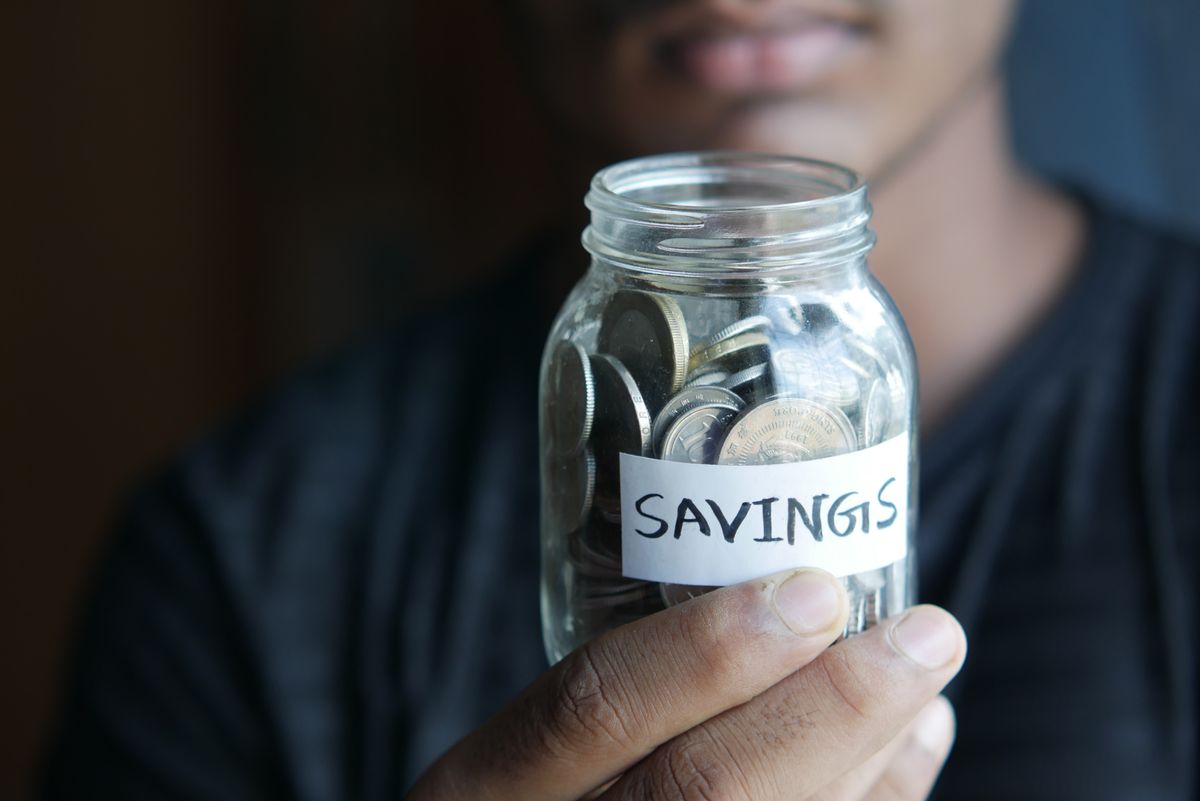

When was the last time you checked what your savings account actually earns? For most people, the answer is never — and the number is almost nothing. Traditional brick-and-mortar savings accounts still pay a fraction of a percent, which means your emergency fund is quietly losing purchasing power to inflation every single year.
A high-yield savings account, or HYSA, changes that equation completely. These accounts pay interest rates many times higher than the national average — with no investing risk, no lock-in period, and the same government protection as any bank account. Moving your cash from a 0.01% account to a competitive HYSA is one of the highest-return, lowest-effort moves in personal finance. But not all high-yield accounts are equal, and the differences that matter are not always the ones in the headlines. Here is what to look at — and the types of accounts worth considering in 2026, for both US and UK savers.
What Actually Matters When Comparing Accounts
Marketing will shout one number at you. Smart comparison looks at five things.
APY (Annual Percentage Yield)
The APY is the headline number — the actual yearly return including compounding. Online banks consistently offer the highest APYs because they do not pay for branch networks, and the gap versus traditional banks can be enormous. One caution: rates move with the broader interest-rate environment, so always check the current rate rather than relying on a figure you saw months ago. A great APY today that is cut in half next quarter is not the bargain it appeared to be.
Fees
A high rate means nothing if fees eat it. The best accounts charge no monthly maintenance fee, no minimum-balance fee, and free standard transfers. Read the account’s one-page fee schedule before you open it — it takes two minutes and reveals everything: excess-withdrawal fees, wire costs, dormant-account charges. If the fee schedule is hard to find, that is a red flag in itself.
Minimum Deposit and Balance Requirements
Many top accounts have no minimums at all, which is how it should be. Watch out for tiered structures where the advertised APY only applies above a certain balance — say, $10,000 or £5,000 — with a much lower rate on smaller balances. If your balance sits near a tier boundary, the headline rate may not be your rate.
Access and Transfers
High-yield accounts typically are not for daily spending. Transfers to your checking account usually take 1 to 3 business days, so plan accordingly: keep about one month of expenses somewhere instantly accessible, and let the HYSA hold the rest of your emergency fund and short-term savings. Check whether the bank offers same-day or next-day transfers, and whether there is a mobile app that does not make you want to throw your phone.
FDIC / FSCS Protection
This is non-negotiable. In the US, your deposits should be FDIC-insured (up to $250,000 per depositor, per bank). In the UK, look for FSCS protection (up to £85,000 per institution). This insurance is what makes a savings account genuinely risk-free — never keep significant cash anywhere that does not offer it, no matter how tempting the rate.
6 Strong Options Worth a Look in 2026
Account lineups change constantly, so use these categories as your shortlist and verify current rates and terms before opening anything.
1. The Online-Only Rate Leader
Best for: maximising interest. These digital-first banks consistently post the highest APYs in the market, with no monthly fees and slick apps. Pros: top-tier rates, zero fees, fast onboarding. Cons: no physical branches — if you ever need in-person service or cash deposits, you will feel the absence.
2. The Big-Bank Hybrid
Best for: branch access plus a decent rate. A few large banks now offer high-yield tiers that, while rarely chart-topping, beat their own standard savings by a mile — and you keep branches, ATMs, and the convenience of having everything under one roof. Pros: convenience, instant internal transfers. Cons: rates usually trail the online leaders.
3. The Credit Union Pick
Best for: lower fees and a personal touch. Credit unions often pair competitive rates with genuinely member-friendly policies — fewer gotcha fees, real humans on the phone. You will need to qualify for membership, but eligibility is broader than most people think. Pros: fair fees, good service. Cons: apps and tech can lag behind the fintechs.
4. The UK Challenger Bank
Best for: UK savers who live on their phones. Britain’s digital challenger banks offer competitive easy-access rates, FSCS protection, and some of the best banking apps anywhere. Pros: great rates for the UK market, instant notifications, budgeting tools built in. Cons: rates still trail the best US offers, and some perks sit behind paid tiers.
5. The Cash ISA Option (UK)
Best for: tax-free interest. A Cash ISA shields your interest from UK tax up to the annual allowance — meaningful if you are a higher-rate taxpayer with substantial savings. Many providers now offer competitive ISA rates close to their standard savings. Pros: tax-free interest, FSCS protected. Cons: the annual allowance caps how much you can shelter each year.
6. The Money Market Account
Best for: savings rates with a bit more flexibility. Money market accounts pay savings-like interest while offering debit-card or cheque-writing access — a middle ground between savings and checking. Pros: higher rates than checking, easier access than pure savings. Cons: rates often slightly below the best HYSAs, and transaction limits may apply.

How Much Difference Does It Really Make?
Let us make it concrete. Park $10,000 in a traditional account paying next to nothing and you will earn a few dollars in a year — barely enough for a coffee. Put the same $10,000 in a competitive high-yield account and you are looking at several hundred dollars a year, for doing absolutely nothing differently.
Now let it compound. Over five years, that gap does not just add up — it multiplies, because each year’s interest starts earning its own interest. The difference between a lazy account and a good one can easily exceed a thousand dollars on a five-figure balance. Fifteen minutes of paperwork for a four-figure return is a trade you should take every time.
Common Mistakes to Avoid
- Chasing promo rates: some accounts advertise a dazzling rate that drops after three months. Check the ongoing rate, not just the teaser.
- Ignoring transfer times: money locked in transit for days can cause overdrafts elsewhere. Know the timeline before you move large sums.
- Spreading cash across too many banks: rate-chasing with six accounts is a part-time job. One or two great accounts beat six mediocre ones.
- Forgetting tax on interest: savings interest is taxable income in both the US and UK (outside ISAs). Set aside what is owed so April does not surprise you.
The Bottom Line
Opening a high-yield savings account takes about fifteen minutes and pays you back every single day your money sits there. Compare APY, fees, minimums, access, and protection; pick the category that fits your life — US or UK — and move your cash. Then re-check rates once or twice a year, because the best account today is not guaranteed to be the best forever. Your savings should be working as hard as you do.
Frequently Asked Questions
Look at five things: the APY (annual percentage yield) including how it compounds, fees (no monthly maintenance or minimum-balance fees), minimum deposit and tier requirements, access and transfer times (usually 1 to 3 business days), and government protection — FDIC insurance in the US (up to $250,000) or FSCS protection in the UK (up to £85,000).
The difference is dramatic. $10,000 in a traditional account paying next to nothing earns just a few dollars a year, while a competitive high-yield account can earn several hundred dollars a year on the same balance. Compounded over five years, the gap can easily exceed a thousand dollars on a five-figure balance.
Yes, as long as they carry government protection. In the US, deposits should be FDIC-insured (up to $250,000 per depositor, per bank); in the UK, look for FSCS protection (up to £85,000 per institution). Never keep significant cash in an account without this insurance, no matter how tempting the rate.
Top high-yield accounts pay several times the national average; compare the ranked APYs in the guide.
Generally no without local residency/tax ID; the guide lists options per country.