

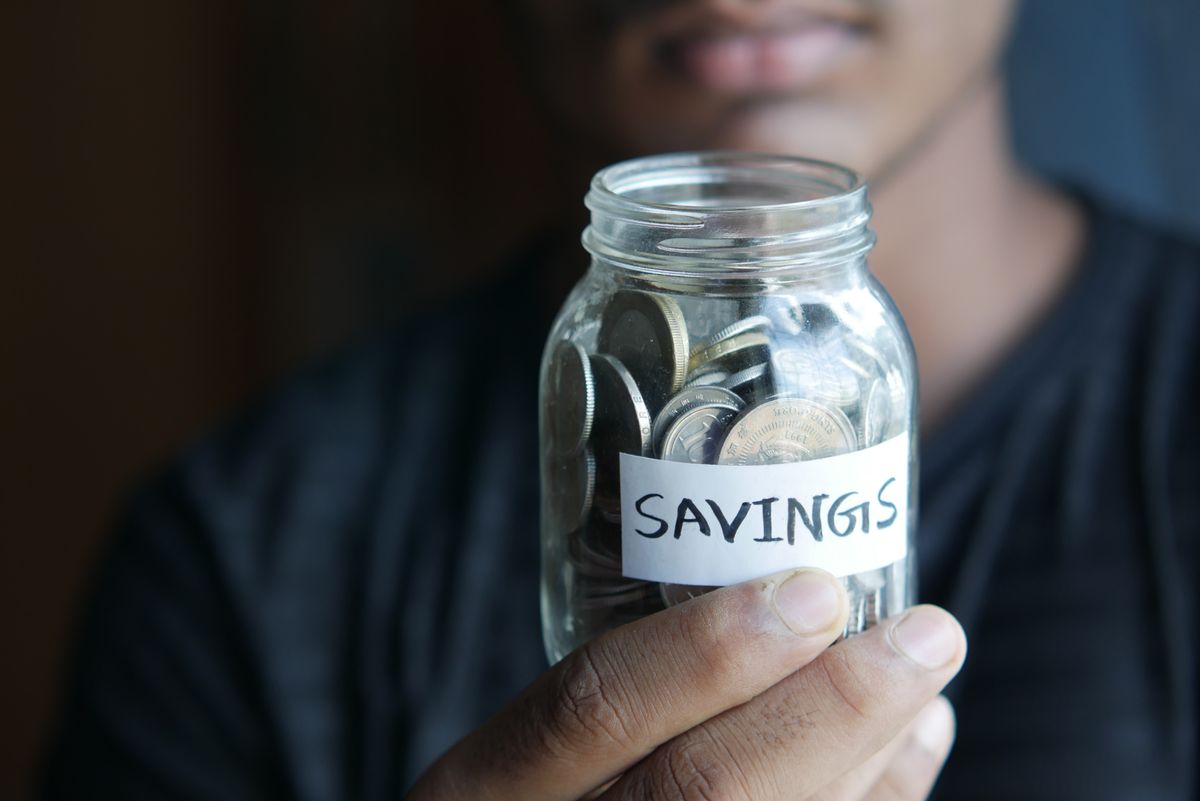
An emergency fund is the unsung hero of personal finance — the quiet buffer standing between you and a financial crisis when the car breaks down, the roof leaks, or work dries up for a month. But here’s the thing most people miss: where you keep that money matters almost as much as having it. An emergency fund only works if it’s both safe and reachable. Too locked away and it can’t help you in a crisis; too easy to spend and it mysteriously evaporates into everyday purchases. Let’s rank the six main options by safety, yield, and access speed, and find the best home for your safety net.
6 Options Ranked
1. High-Yield Savings Account
The best overall choice for most people. A high-yield savings account (HYSA) from an online bank pays an interest rate many times higher than a traditional savings account, your money is FDIC-insured up to the legal limit, and you can transfer funds to your checking account in one to three business days. The slight delay is actually a feature: it keeps the money out of impulse-spending range while still being fast enough for any real emergency. If you do nothing else from this article, open one of these.
2. Money Market Account
The close runner-up. Money market accounts combine savings-account safety and insurance with checking-like access — many come with a debit card or check-writing privileges. Interest rates are usually competitive with HYSAs, sometimes slightly lower. The trade-off is that the extra-easy access can tempt you to dip in for non-emergencies. If you trust your discipline, the convenience is genuinely useful.
3. No-Penalty CD
A certificate of deposit that lets you withdraw your full balance after a short initial period (often under a week) with no penalty. You typically earn a slightly higher yield than a standard savings account in exchange for that brief lock-up. It’s a solid option for the portion of your fund you’re confident you won’t need instantly — just confirm the “no-penalty” terms in writing before you commit, because a regular CD will charge you for early withdrawal.
4. Traditional Savings at Your Main Bank
The account you probably already have. The huge advantage is instant access — transfers to checking are immediate, and you can walk into a branch. The downside is yield: traditional banks typically pay a fraction of what online HYSAs offer, so your money quietly loses purchasing power to inflation. The smart move: keep about one month of expenses here for instant access, and keep the rest somewhere it actually earns.
5. Cash in a Safe Place
A small cash buffer at home — enough for a day or two of essentials — is reasonable insurance against scenarios where banks and cards are temporarily unavailable, like a power outage or a frozen account. But that’s all it should be: a buffer, not the fund. Cash earns nothing, isn’t insured against theft or fire, and large amounts sitting at home are simply unprotected. Think hundreds, not thousands.
6. What NOT to Use
Just as important as where to keep it: where not to. Don’t keep your emergency fund in stocks or stock funds — the market can drop 20% or more right when you lose your job, which is exactly when emergencies cluster. Don’t use crypto, which can swing wildly in a single week. And don’t lock it in a standard CD with an early-withdrawal penalty, because an emergency fund you can’t reach without paying a fee isn’t really an emergency fund.
The Tiered Approach
You don’t have to pick just one option — the smartest setup is tiered. Keep roughly one month of expenses in your regular checking-linked savings for instant, same-day access. Keep the rest of your fund — months two through six — in a high-yield savings account where it earns a meaningful return while staying a quick transfer away. This gives you immediate liquidity for small surprises and solid yield on the bulk of the money, without overcomplicating your financial life.

How Many Months Do You Need?
The classic guidance is three to six months of essential expenses — not your full income, but what you’d actually need to cover housing, food, transport, insurance, and minimum debt payments. Where you land in that range depends on your situation. Single income household, freelancers, commission earners, and anyone with volatile work should aim for the higher end or beyond; six months or more is prudent when your income is unpredictable. Dual-income households with stable jobs can reasonably sit closer to three. Start with a starter goal of one month — hitting it builds momentum — then keep going until your fund matches your risk.
Keep It Separate
Here’s a psychological trick that works: keep your emergency fund at a different bank from your everyday checking account. When the money isn’t staring at you every time you check your balance, you’re far less likely to “borrow” from it for vacations, gadgets, or a sale you couldn’t resist. Out of sight really is out of mind. Set up an automatic monthly transfer into the separate account, give the fund a clear label like “Emergency Fund — Do Not Touch,” and define in advance what counts as an emergency (job loss, medical bills, critical home repair) versus what doesn’t (basically everything else). The separation creates a friction that protects you from yourself.
Bottom Line
Where to keep your emergency fund comes down to a simple formula: safe, earning, and reachable — in that order. For most people, that means a high-yield savings account holding the bulk of three to six months of expenses, with one month kept instantly accessible at your main bank and a small cash buffer at home. Keep it at a separate bank so you’re not tempted to raid it, automate your contributions, and never invest money you might need in an
emergency. A well-placed emergency fund won’t make you rich, but it will keep one bad month from unraveling years of progress — and that might be the highest return in all of personal finance.
Frequently Asked Questions
Aim for three to six months of essential expenses — housing, food, transport, insurance, and minimum debt payments, not your full income. Single-income households, freelancers, and commission earners should target the higher end, while dual-income households with stable jobs can sit closer to three months. Start with a one-month starter goal to build momentum, then keep going until the fund matches your risk.
A high-yield savings account (HYSA) at an online bank is the best overall choice: it is FDIC-insured, pays an interest rate many times higher than a traditional savings account, and transfers to your checking account take one to three business days. Keep about one month of expenses at your main bank for instant access, and the rest of the fund in the HYSA for yield.
No. The stock market can drop 20% or more right when emergencies cluster — for example, when you lose your job — and crypto can swing wildly in a single week. Also avoid locking the fund in a standard CD with an early-withdrawal penalty: an emergency fund you can’t reach without paying a fee isn’t really an emergency fund.
It’s smarter to keep it at a different bank. When the money isn’t staring at you every time you check your balance, you’re far less likely to borrow from it for non-emergencies. Automate a monthly transfer into the separate account, give it a clear label like ‘Emergency Fund — Do Not Touch,’ and define in advance what counts as an emergency.
